

DECKING 101 for Docks
Apr 03, 2018
How do you choose from so many decking options?
Decking for a backyard deck is one thing, but decking for a dock adds extra factors to consider.
The biggest difference is the constant presence of water—not just rain, but water from above and below. Any dock surface can become slippery, but some decking materials perform much better than others when it comes to grip and water retention.
Below are some of the most common decking options used for docks, along with their main pros and cons.
Treated Lumber
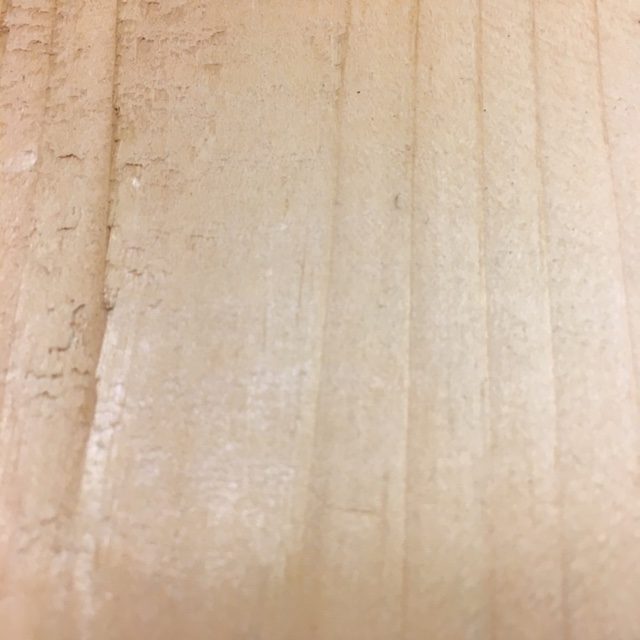
Pine Treated Decking
Treated lumber dock surfaces are built to last. The wood is chemically treated to slow the rotting process. Treated lumber is often green in color, though some manufacturers offer tinted options.
One drawback is weight. Treated lumber is notoriously heavy, which can make it difficult for removable or seasonal docks. If your dock is stationary and does not need to be removed for winter, treated lumber can be a cost-effective option.
Be sure to research compatible hardware and framing materials, as treated lumber can sometimes react with certain metals.
Biggest PRO: Long lifespan
Biggest CON: Heavy
Cedar

Cedar is a softwood similar in hardness to pine and is widely used for outdoor fences, saunas, and furniture.
For docks, cedar offers a traditional and attractive decking option. Unfinished cedar can be stained or sealed to achieve the color you prefer. It is naturally aromatic and resistant to rot and insects.
Western Red Cedar is typically the strongest and most suitable cedar for dock decking.
If regularly sealed and stained, cedar will retain its shape and color. Left untreated, it will gradually turn gray and may begin to crack over time.
Biggest PRO: Naturally rot- and insect-resistant
Biggest CON: Fades and cracks over time
Hardwood
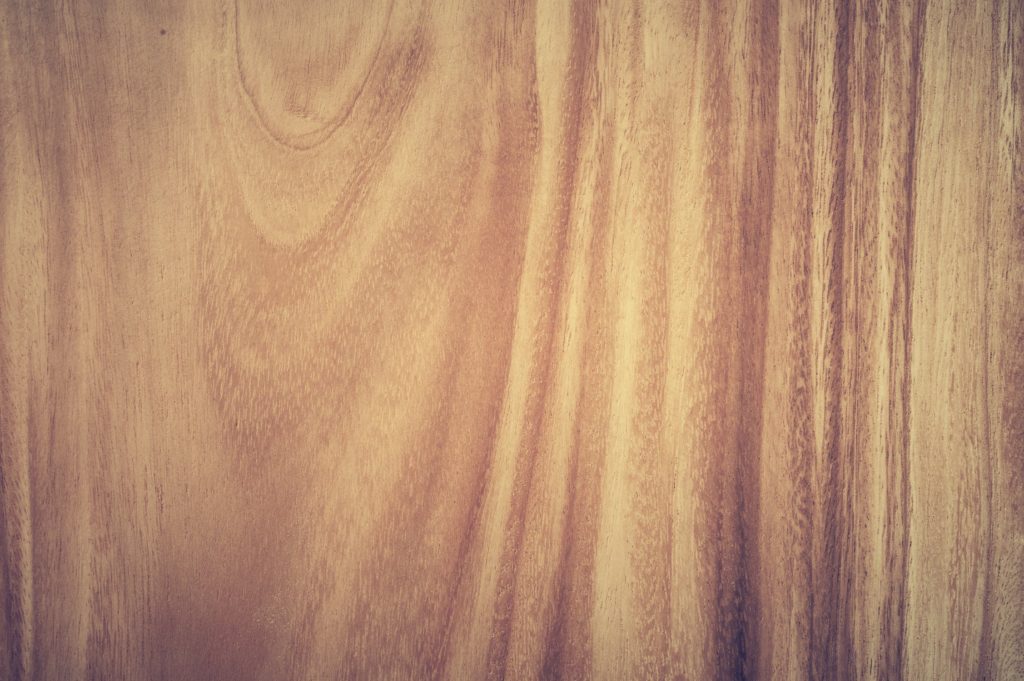
Hardwood Decking
Hardwoods are generally more dense and durable than softwoods. Examples include oak, maple, and walnut.
Because of their strength and scratch resistance, hardwoods can make excellent flooring materials. However, they are rarely used for docks due to their high cost and significant weight.
Hardwoods can also be more difficult to work with during installation.
Biggest PRO: Scratch resistant
Biggest CON: Expensive
Polypropylene
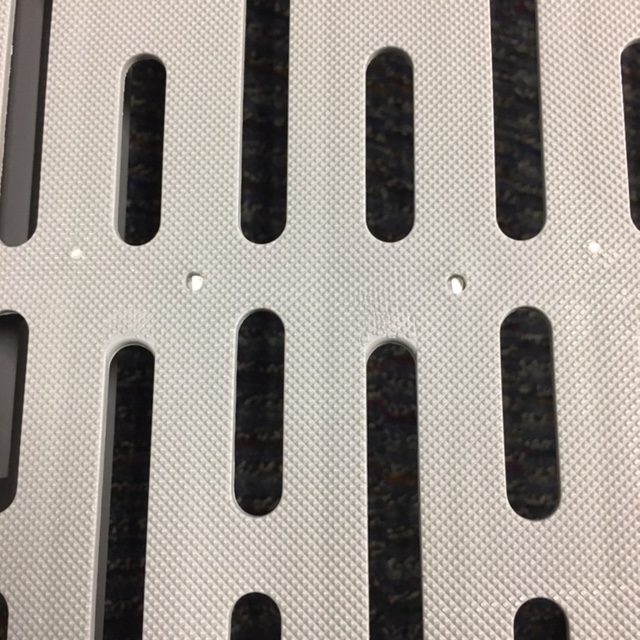
Plastic Decking
Plastic or polymer decking is typically molded with traction studs and drainage holes that allow water to pass through.
These materials often come in several color options and tend to stay relatively cool to the touch. Poly decking usually lasts longer than untreated wood and can perform well in hot climates.
However, it is important to confirm that the material includes UV additives. Without UV protection, plastic decking can break down and crack after extended sun exposure.
Biggest PRO: Excellent grip
Biggest CON: UV exposure can cause deterioration over time
Composite
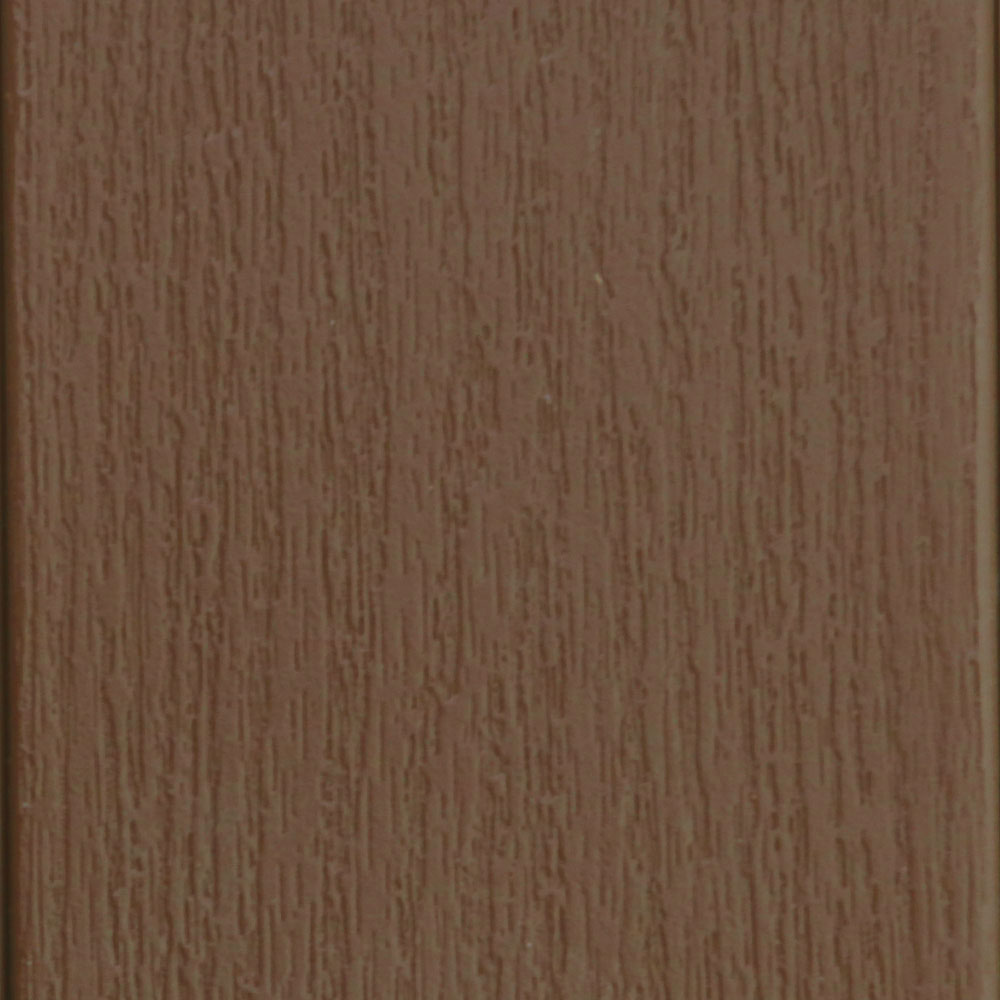
Brown Composite Decking
Composite decking combines wood fibers and polymer materials. It is visually appealing and available in many colors, textures, and finishes.
Quality has improved significantly over the years, but composite decking can still fade or warp over time. Because composite materials can retain moisture, they may add extra weight to a dock structure.
For this reason, composite is not always the ideal choice for dock applications unless specific conditions require it.
Biggest PRO: Wide color options
Biggest CON: Can warp over time
Aluminum
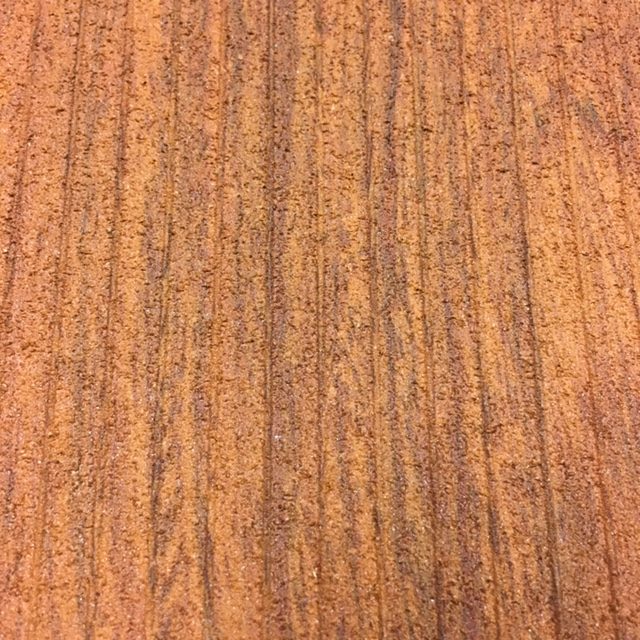
Aluminum Wood-Grain Powder-Coated Decking
Aluminum decking has become a popular option for modern dock systems.
Aluminum is lightweight, strong, and highly resistant to environmental damage. Dock decking is typically anodized or powder coated to improve corrosion resistance and traction.
Some aluminum decking is designed to resemble natural wood, offering the appearance of traditional decking with the durability of metal.
Aluminum will not crack, fade, warp, or absorb moisture. In certain climates, however, some aluminum surfaces may become warm in direct sun depending on color and airflow.
Biggest PRO: Extremely long lifespan
Biggest CON: Can become hot in direct sun
Bottom Line
Light-colored powder-coated aluminum is often considered one of the most durable decking surfaces for docks.
At Patriot Docks, the most common decking choices tend to focus on three priorities: price, slip resistance, and longevity.
-
Powder-coated aluminum offers long life and minimal maintenance.
-
Western Red Cedar remains a traditional, natural-looking option that is cost-effective and stainable.
- Studded poly decking provides excellent slip resistance and allows water to drain through the surface.
Each option has its place depending on your shoreline, budget, and how you plan to use your dock.